Source Foldable Outdoor Folding Table for Beach Park Restaurant
Find 30 foldable outdoor folding table options from verified Chinese manufacturers. Compare specifications including size, material, and MOQ to select the right lightweight plastic or steel table for beach, park, or restaurant use.
Key considerations
Products List


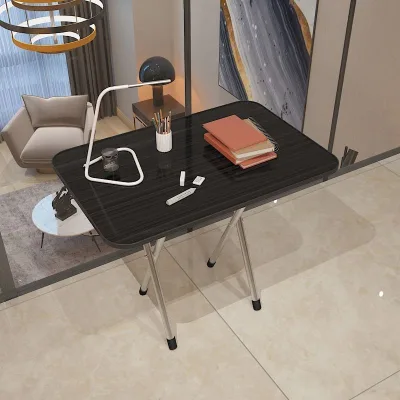


Comprehensive Sourcing Guide
Strategic Sourcing Guide for Foldable Outdoor Folding Tables
Understanding Technical Specifications and Dimensions
When sourcing foldable outdoor folding tables, the primary technical differentiator lies in the precise dimensional specifications and structural composition. The market offers a diverse range of sizes tailored to specific seating capacities and spatial constraints. Based on observed product data, dimensions vary significantly from compact units measuring 654567cm to larger dining configurations reaching 1837674cm. Buyers must carefully distinguish between width, depth, and height parameters, as these dictate the table's utility in various environments.
A critical observation in the current market is the variation in shape. While traditional rectangular tables dominate the commercial sector, round configurations are also available, measuring 80*110cm, which offers distinct advantages for social interaction in smaller spaces. Furthermore, the height adjustability feature is a notable technical specification for certain models. Some units are engineered with a two-step height lift mechanism, while others offer a four-step adjustment, allowing for versatility in use cases ranging from standard dining to bar-height applications.
The structural frame is another essential technical component. Most observed models utilize steel tubes as the primary load-bearing element. The quality of this steel is often enhanced through powder coating, which provides a necessary barrier against corrosion in outdoor settings. The tabletop material is predominantly plastic, selected for its lightweight nature and resistance to weathering. The combination of a steel frame and plastic top creates a balance between durability and portability, a key requirement for "foldable" functionality. Buyers should verify the specific material composition, as some listings indicate a mix of steel tubes and plastic in the frame construction, while others specify powder-coated steel tubes exclusively.
| Product Model | Dimensions (cm) | Shape | Frame Material | Weight (GW) |
|---|---|---|---|---|
| ZY80H | 80*110 | Round | Steel Tubes and Plastic | 7.5KG |
| ZC122 (Two-step) | 1226074 | Square | Powder Coated Steel Tubes | 8.62KG |
| ZC183 | 1837674 | Square | Powder Coated Steel Tubes | 14.3KG |
| ZC152 | 1527074 | Square | Powder Coated Steel Tubes | 10.5KG |
| YTSJ6545 | 654567 | Square | Powder Coated Steel Tubes | 4.78KG |
Compliance Verification and Certification Checks
In the realm of outdoor furniture, compliance and certification are often areas of ambiguity for buyers. While specific product listings may reference standards, it is crucial to approach these claims with a verification mindset rather than accepting them as universal guarantees. For instance, while some background data might reference EN 15372, a standard often associated with furniture safety, buyers must confirm if this specific standard applies to the exact model they are purchasing. The presence of a standard code in a product description does not automatically imply that the unit has undergone third-party testing for that specific regulation.
Buyers should prioritize verifying the origin of the product to ensure it aligns with their regional compliance requirements. The majority of observed products originate from China, specifically from manufacturing hubs in Zhejiang and Ningbo. These regions are known for high-volume production, but the regulatory environment for export can vary. When evaluating a supplier, request documentation that explicitly states the testing protocols used for the specific batch of tables. Do not rely on generic claims about "safety" or "durability" without supporting test reports.
Furthermore, the "New" condition of the products is a standard attribute, but buyers must ensure that "New" refers to the manufacturing condition and not a refurbished item. For outdoor applications, the resistance to UV radiation and moisture is a critical compliance factor. While the material is listed as plastic, the specific type of plastic (e.g., HDPE, PP) and its UV stabilization properties are not always detailed in basic listings. Buyers should request material safety data sheets (MSDS) or specific UV resistance ratings to ensure the table will not degrade rapidly under direct sunlight.
Cost Drivers and Pricing Dynamics
The pricing of foldable outdoor folding tables is influenced by a complex interplay of material costs, manufacturing complexity, and order volume. The observed price range in the market spans from $3.20 to $145.00 USD, a significant variance that reflects differences in size, material quality, and feature sets. The lower end of this spectrum typically corresponds to smaller, simpler models with basic steel frames and standard plastic tops. Conversely, the higher price points are associated with larger dimensions, such as the 183cm models, and those featuring advanced mechanisms like multi-step height adjustments.
Material costs are a primary driver. The use of powder-coated steel tubes generally incurs a higher cost than standard steel tubes due to the additional processing required for the coating. Similarly, the weight of the table, indicated by the Gross Weight (GW) specifications, serves as a proxy for material density. A table weighing 14.3KG will inherently cost more to manufacture and ship than one weighing 4.78KG. Buyers should analyze the price per kilogram to understand the true value proposition of a specific model.
Order volume is another critical cost factor. The Minimum Order Quantity (MOQ) varies widely, ranging from 50 pieces to 1,000 pieces, with some models requiring 200 or 500 units. Suppliers often offer tiered pricing structures where the unit cost decreases as the order volume increases. For buyers with smaller requirements, the higher MOQ can be a barrier, potentially necessitating a higher per-unit price or the consolidation of orders with other buyers. The packaging method, typically one piece per carton, also impacts logistics costs. Bulkier packaging increases shipping volume, which can significantly affect the final landed cost, especially for smaller, lighter tables where shipping weight is a higher percentage of the total value.
Typical Applications and Usage Scenarios
The versatility of foldable outdoor folding tables makes them suitable for a wide array of applications, from commercial hospitality to private leisure. The observed usage categories include beaches, parks, restaurants, cafes, patios, gardens, bars, and parties. This broad applicability stems from the design philosophy of these tables, which prioritizes portability and space efficiency.
In commercial settings such as restaurants and cafes, the tables serve as functional dining surfaces that can be easily reconfigured or stored when not in use. The "Simple" and "Modern" styles observed in the market align well with contemporary hospitality design trends. The ability to fold the tables allows establishments to maximize floor space during off-peak hours or to adapt to different event layouts. For outdoor venues like parks and beaches, the lightweight nature of the plastic and steel construction is a distinct advantage, facilitating easy transport by staff.
For private users, the application extends to patios and gardens where space may be limited. The foldable feature allows homeowners to store the furniture indoors during inclement weather or when the area is not in use. The "Indoor and Outdoor Dining Table" classification highlights this dual-purpose utility. Additionally, the specific use cases like "Outdoor Table" and "Outdoor Furniture" indicate that these products are engineered to withstand exposure to the elements, making them ideal for seasonal outdoor events. The shape of the table also influences its application; round tables are often preferred for intimate gatherings, while square tables are better suited for maximizing seating capacity in larger groups.
Supplier Evaluation and Origin Analysis
Evaluating suppliers for foldable outdoor folding tables requires a focus on geographic origin and production capabilities. The majority of the observed products originate from China, with specific manufacturing clusters in Zhejiang and Ningbo. These regions are established hubs for furniture manufacturing, offering a mature supply chain and access to raw materials. However, the presence of multiple origins within the same country suggests that buyers should not assume uniform quality across all listings.
When evaluating a supplier, the first step is to verify the "Place of Origin" claim. While Zhejiang and Ningbo are known for high-quality exports, buyers should request proof of factory location and capacity. The "Customization" attribute is available for many products, indicating that suppliers are willing to tailor designs, colors, or dimensions. This flexibility is a positive indicator of a supplier's capability, but it also introduces complexity in quality control. Buyers must ensure that the customization process does not compromise the structural integrity of the table.
The "Condition" of the product is listed as "New," which is a standard expectation, but buyers should verify the supply chain's ability to maintain this standard. For international buyers, the lead time and shipping logistics are critical. While specific lead times are not provided in the observed data, the variability in MOQ and packaging suggests that production schedules can be flexible. Buyers should inquire about the supplier's ability to meet delivery deadlines, especially for large orders where production time may extend. Additionally, the "Packing" specification of "1PCS/Carton" is standard, but buyers should confirm the durability of the cartons to prevent damage during transit.
Quality Control and Long-Term Procurement Considerations
Quality control for foldable outdoor folding tables must address both immediate structural integrity and long-term durability. The "Folded" attribute is a key functional requirement, and the mechanism for folding and unfolding must be robust. Repeated folding cycles can lead to wear and tear, particularly at the joints where the steel frame connects. Buyers should request samples to test the folding mechanism for smooth operation and stability. The "Lightweight" feature, while beneficial for portability, must not come at the expense of stability. A table that is too light may tip over easily, especially in windy outdoor conditions.
Long-term procurement considerations involve assessing the lifecycle of the product. The "Plastic" material used for the tabletop is generally resistant to rust, but it can become brittle over time due to UV exposure. Buyers should verify the UV resistance of the plastic and inquire about the warranty period for material degradation. The "Powder Coated Steel Tubes" offer better corrosion resistance than untreated steel, but the coating can chip or peel if subjected to impact. Regular inspection of the frame for rust or coating damage is essential for maintaining the table's lifespan.
For buyers planning to procure large quantities, establishing a consistent quality control protocol is vital. This includes defining acceptable tolerances for dimensions, weight, and finish. The "Standard" specifications provided, such as "Size: 80*110cm; GW: 7.5KG; 1pcs in a carton," should be used as a baseline for acceptance criteria. Any deviation from these standards should be clearly communicated and addressed before shipment. Additionally, the "Customized" nature of some products requires a more rigorous quality assurance process to ensure that the custom elements meet the buyer's specifications. By focusing on these technical and operational details, buyers can mitigate risks and ensure a successful procurement experience for foldable outdoor folding tables.
FAQs
What are the available dimensions for these tables?
Dimensions vary from compact 65*45*67cm units to larger 183*76*74cm dining configurations. Specific models include square options like 122*60*74cm and round tables measuring 80*110cm to suit different spatial needs.
Can I customize the order quantity for these tables?
Yes, customization is available with Minimum Order Quantities ranging from 50 to 500 pieces depending on the specific model. Some models require 200 or 1000 units, so buyers should verify the MOQ for their selected item.
Which materials are used for the frame and top?
Frames typically consist of steel tubes, often powder-coated for corrosion resistance, while the tabletop is made of lightweight plastic. Some models combine steel tubes with plastic in the frame construction for durability.
How do the height adjustment mechanisms work?
Certain models feature multi-step height lift mechanisms, including two-step and four-step adjustments. These allow the tables to be configured for standard dining or bar-height applications as needed.
Where are these tables manufactured and what is the origin?
The products originate from China, specifically from manufacturing hubs in Zhejiang and Ningbo. Buyers should verify the specific place of origin for their selected supplier to ensure alignment with regional requirements.
What is the packaging configuration for single items?
Each table is typically packed individually in a carton, with specifications like 1PCS/Carton being standard. The packaging dimensions often match the product size, such as 40*32*29cm for certain models.
Are these tables suitable for both indoor and outdoor use?
Yes, they are designed as indoor and outdoor dining tables suitable for beaches, parks, restaurants, and patios. The plastic and steel construction provides resistance to weathering while maintaining a lightweight profile.